7月17日2026 · 星期五

从 23 条抓取中筛选 12 条 · twitter × 5 账号 · 02:33 UTC 生成

今日信号 · 高度即评分 · 点击直达


  1. xAI 在 GitHub 上开源 Grok Build 编程智能体9.0
  2. 1Password 与 Anthropic 推出 Claude AI 代理安全凭据使用功能8.0
  3. Anthropic 成员 trq212 谈 Claude Code、能力悬置与 AI 创业者建议8.0
  4. AI视频生成进化为世界模型,实现交互式模拟8.0
  5. GPT-5.6 在无沙箱的全权限模式下删除文件8.0
  6. Codex 客户端静默禁用第三方 API 的网络搜索和图像生成功能7.0
  7. 工程团队采用AI遵循四个可预测的步骤7.0
  8. Anthropic 或在 Kimi K3 发布后延长 Fable 5 付费访问7.0
  9. 传闻称新模型Kimi K3已超越Opus7.0
  10. OpenAI 更新 ChatGPT 桌面应用:侧边栏历史、跨平台同步与模式切换6.0
  11. OpenAI播客探讨AI在赛车领域的应用,与Chip Ganassi Racing合作6.0
  12. 开发者倡导使用“grill-me”技能提升AI辅助规划效率6.0
019.0

xAI 在 GitHub 上开源 Grok Build 编程智能体

xAI 已将 Grok Build 作为开源项目发布在 GitHub 上。Grok Build 是一个基于终端的 AI 编程智能体,能够理解代码库、编辑文件、执行 shell 命令,并以交互或非交互方式管理任务。现在开发者可以公开使用并参与贡献。 开源 Grok Build 使更广泛的开发者社区能够检查、修改并基于 xAI 的编程智能体技术进行构建。这一举措可能加速 AI 辅助软件开发的创新,并对 GitHub Copilot 等现有工具构成挑战。这也表明 xAI 在 AI 生态系统中对透明度和协作的承诺。 Grok Build 以全屏终端界面运行,并支持 Agent Client Protocol 以便嵌入编辑器。它由 xAI 的最新模型 Grok 4.5 驱动,可同时运行多达 8 个 AI 智能体。该工具处于早期测试阶段,向 SuperGrok 和 X Premium Plus 订阅用户开放,其源代码现已在 GitHub 上公开。

背景
Grok 是由 Elon Musk 创立的 xAI 公司开发的一系列 AI 模型。Grok Build 是一个直接在终端中运行的编程智能体,旨在协助复杂的软件开发任务。它此前仅向特定订阅用户开放,此次开源顺应了 AI 公司发布工具以促进社区驱动开发的趋势。

7月16日 03:47在 X 打开#AI #open-source #xAI #Grok #machine learning

028.0

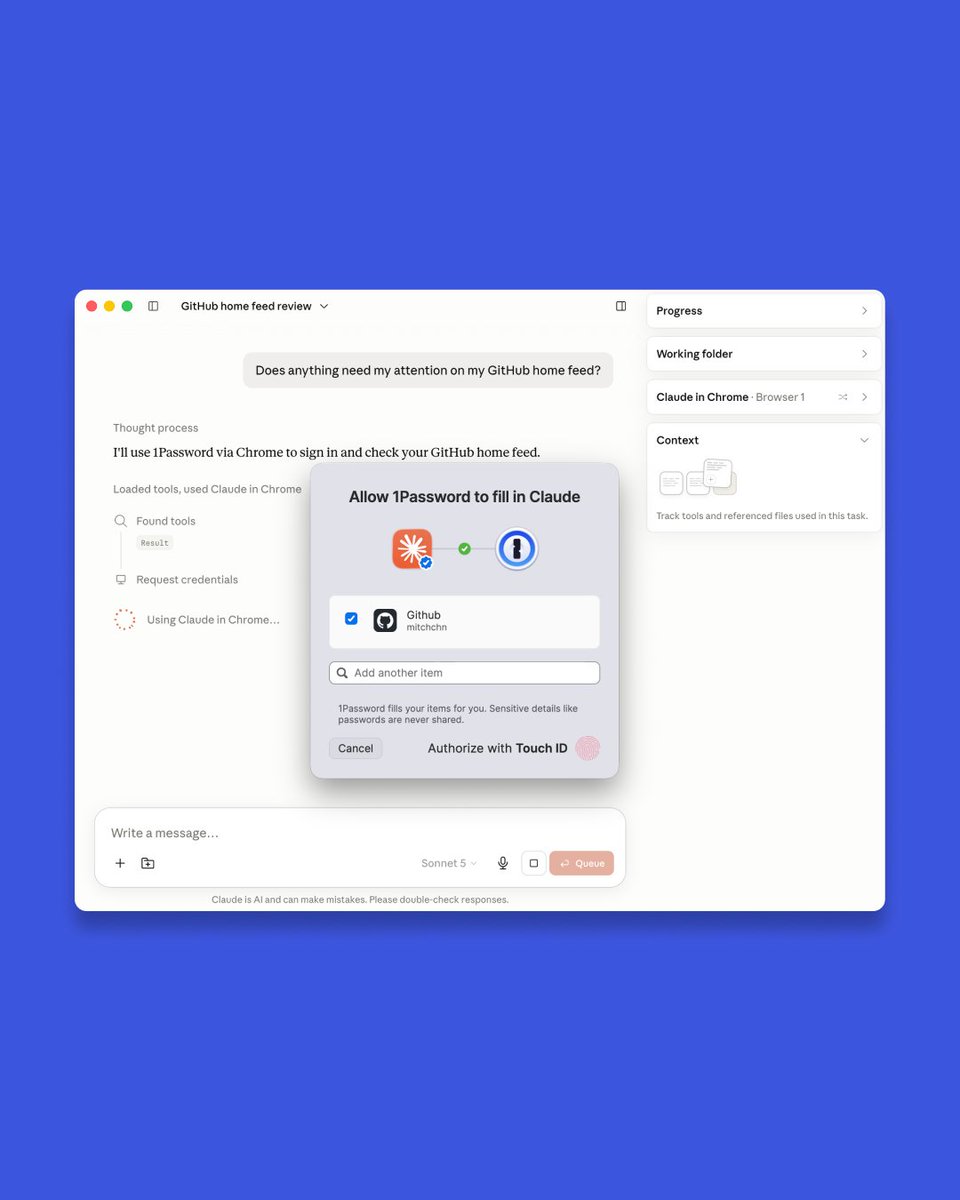
1Password 与 Anthropic 推出 Claude AI 代理安全凭据使用功能

1Password 与 Anthropic 推出了一项新集成,允许 Claude AI 使用存储的凭据执行现实任务,而无需将密码或一次性验证码暴露给模型。该功能让用户可以批准代理使用哪些凭据,由 1Password 在后台处理身份验证。目前已在 Mac 上向企业、家庭和个人用户开放。 该集成解决了 AI 代理面临的关键安全挑战:执行需要登录凭据的任务,同时不将秘密暴露给 AI 模型或其提供商。它使得预订旅行或管理账户等敏感工作流能够更安全地自动化,可能加速企业采用 AI 代理。主流密码管理器与领先 AI 公司的合作为安全的代理身份管理树立了先例。 该集成通过让 1Password 在后台处理身份验证,使得 Claude 永远不会看到实际的密码或一次性验证码。用户通过批准代理可以使用哪些凭据来保持控制。目前仅在 Mac 上可用,尚未提及 Windows 或移动端支持。该功能内置于 Claude AI 服务中,需要 1Password 账户。

@1Password@trq212 转推2 张图片AI agents are booking travel, signing into websites, and acting on your behalf. That creates a new security problem: until now, letting an agent log in meant exposing your credentials to the model. Today, with @AnthropicAI, we're changing that. 1Password for @claudeai lets Claude use your stored credentials to complete real-world tasks without your passwords or one-time codes ever reaching the model, its memory, or Anthropic's systems. You stay in control and approve which credentials an agent can use. 1Password handles authentication behind the scenes. Available now on Mac for business, family, and individual customers. https://bit.ly/4bLP5EJ原推文媒体预览+1展开原推文收起原推文

@trq212 转推了

@1Password

AI agents are booking travel, signing into websites, and acting on your behalf. That creates a new security problem: until now, letting an agent log in meant exposing your credentials to the model. Today, with @AnthropicAI, we're changing that. 1Password for @claudeai lets Claude use your stored credentials to complete real-world tasks without your passwords or one-time codes ever reaching the model, its memory, or Anthropic's systems. You stay in control and approve which credentials an agent can use. 1Password handles authentication behind the scenes. Available now on Mac for business, family, and individual customers. https://bit.ly/4bLP5EJ

背景
AI 代理是可以代表用户执行任务(如预订旅行或填写表单)的自主系统,但它们通常需要登录网站。传统上,这意味着与 AI 共享密码,从而带来安全风险。1Password 是一款流行的密码管理器,将凭据存储在加密的保险库中。Anthropic 的 Claude 是注重安全性的下一代 AI 助手。该集成利用 1Password 的安全基础设施进行身份验证,而无需向 Claude 或 Anthropic 透露秘密。

7月16日 21:12在 X 打开#AI security #password management #Anthropic #Claude #AI agents

038.0

Anthropic 成员 trq212 谈 Claude Code、能力悬置与 AI 创业者建议

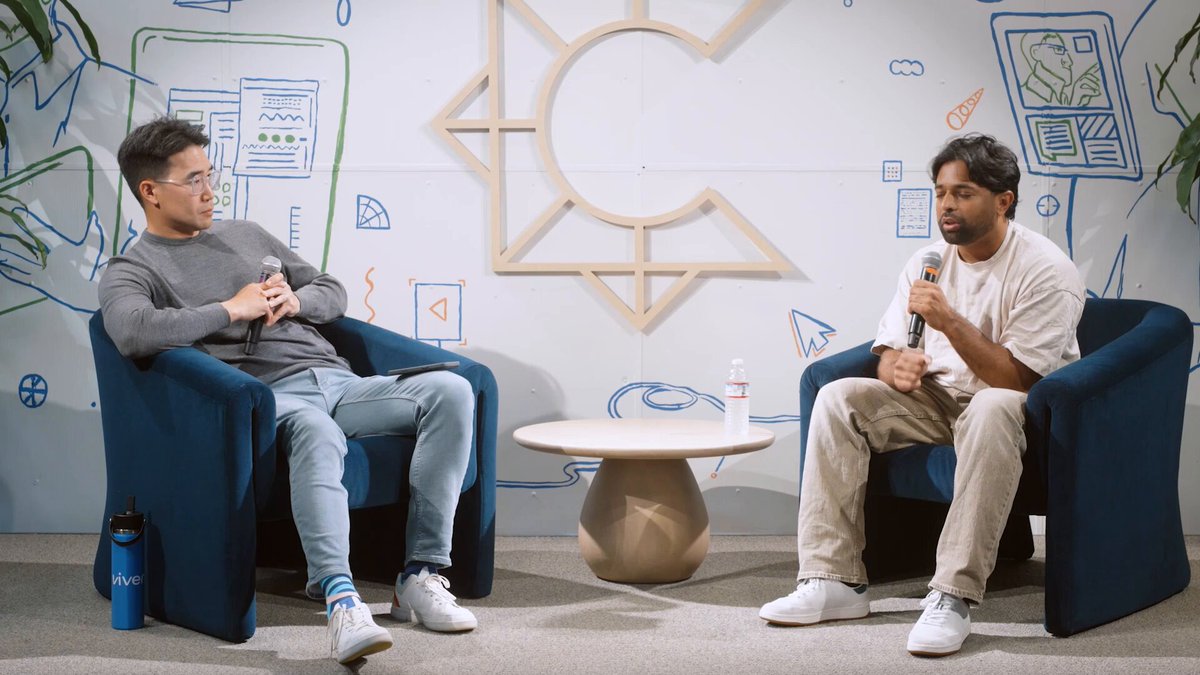
Anthropic 团队成员 trq212 在南公园公地发表演讲,探讨了 AI 编程的快速演进、Claude Code 的能力以及能力悬置的概念。演讲还分享了 Anthropic 如何构建 AI 产品以及对 AI 创业者的建议。讨论凸显了 AI 编程领域的飞速变化以及预测未来发展的困难。 此次演讲提供了来自领先 AI 公司 Anthropic 内部成员对前沿 AI 编程发展的视角。关于能力悬置和产品构建的见解对在 AI 领域探索的开发者和创业者极具参考价值。理解这些趋势有助于从业者适应快速变化,并有效利用 Claude Code 等 AI 工具。 演讲分为多个部分,包括 trq212 从创业者到 Anthropic 的经历、用 Claude Code 构建更好的 AI、能力悬置、Anthropic 如何构建 AI 产品、更有效地提示 Claude、AI 如何改变产品团队以及对 AI 创业者的建议。Claude Code 是一个智能编程工具,能理解代码库、编辑文件并运行命令。能力悬置指的是 AI 系统能够做到的事情与其当前实际应用之间的差距。

@evantana@trq212 转推1 个视频AI coding is changing faster than almost anyone can keep up. It's impossible to predict exactly where we'll be a year from now. Claude Code's @trq212 (@southpkcommons alum and 2x founder) came back to SPC to talk about what's on the frontier. (00:00) From Startup Founder to Anthropic (03:33) Building Better AI With Claude Code (07:21) The Capability Overhang (12:17) How Anthropic Builds AI Products (17:51) Prompting Claude More Effectively (30:58) How AI Is Changing Product Teams (41:11) Advice for AI Founders原推文媒体预览展开原推文收起原推文

@trq212 转推了

@evantana

AI coding is changing faster than almost anyone can keep up. It's impossible to predict exactly where we'll be a year from now. Claude Code's @trq212 (@southpkcommons alum and 2x founder) came back to SPC to talk about what's on the frontier. (00:00) From Startup Founder to Anthropic (03:33) Building Better AI With Claude Code (07:21) The Capability Overhang (12:17) How Anthropic Builds AI Products (17:51) Prompting Claude More Effectively (30:58) How AI Is Changing Product Teams (41:11) Advice for AI Founders

背景
Anthropic 是一家美国 AI 安全公司,由前 OpenAI 成员于 2021 年创立,以其 Claude 系列大语言模型闻名。Claude Code 是他们的智能编程工具,旨在通过理解代码库和自动化任务来辅助开发者。能力悬置是 AI 安全与政策领域的一个概念,描述已部署 AI 系统中尚未被充分利用或理解的潜在能力。

7月16日 16:03在 X 打开#AI coding #Claude Code #Anthropic #product teams #AI founders

048.0

AI视频生成进化为世界模型,实现交互式模拟

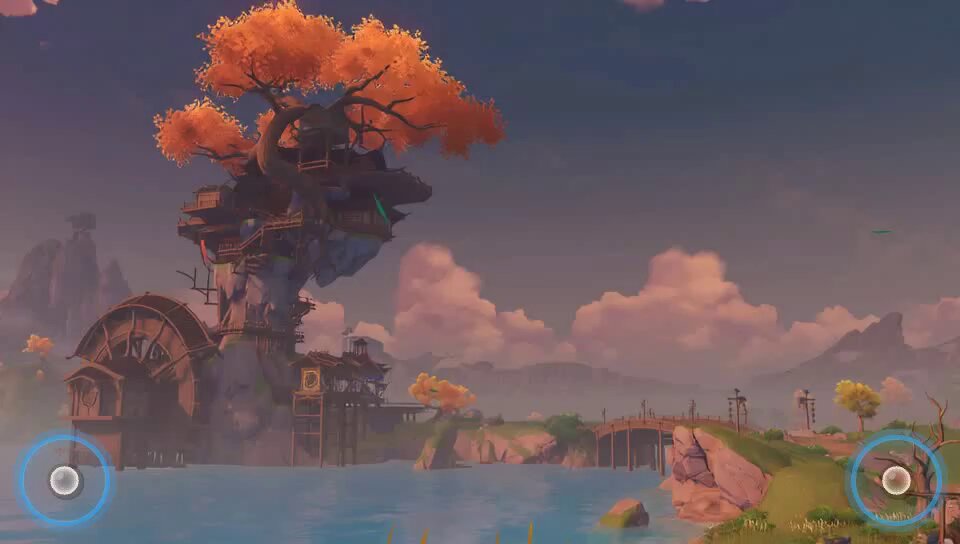
AI视频生成正从单纯制作更长、更清晰的视频,转向构建能够模拟物理定律并支持实时交互的世界模型。像Alaya World这样的最新进展,让用户可以动态探索和交互生成的环境,而不仅仅是观看固定片段。 这一转变代表了AI能力的根本性变化,从被动内容生成转向主动世界模拟。它可能彻底改变游戏、机器人技术和虚拟现实等领域,使AI能够理解和预测物理交互,从而催生更智能、更自主的系统。 最近开源的Alaya World提供720p、24 FPS的实时流式生成,用户可以从文本、图像或视频开始,并与场景进行交互。真正的世界模型必须处理空间一致性、时间连续性、因果关系以及对用户指令的即时响应,超越简单的下一帧预测。

@Pluvio9yte原推文1 个视频AI Is Moving Beyond “Generating Videos” — Toward “Generating Worlds” Over the past two years, AI video models have advanced at an astonishing pace. From Runway and Pika to Sora and Veo, AI-generated videos have become increasingly realistic and more consistent with the physical laws of the real world. Many people believe the next objective is simply to generate videos that are longer, sharper, and more lifelike. But if we take a step back, we can see that the real transformation is not happening in video itself. It is happening in world models. What Is a World Model? In 1943, psychologist Kenneth Craik proposed an idea that would influence artificial intelligence research for decades. He argued that the human brain does not merely react to the outside world. Instead, it maintains an internal model of how the world works. Because we have this internal model, we can predict the outcome of an action before we actually take it. Before crossing a road, we estimate whether a car will pass by. Before catching a ball, we predict its trajectory. These abilities come from continuously simulating the world in our minds, rather than relying entirely on trial and error. This idea later became known by a more formal term: World Model. A world model does not describe a single image or a fixed video clip. It is an internal representation capable of continuously simulating the rules and dynamics of the real world. Why Is AI Research Turning Toward World Models? Because predicting “what comes next” is becoming increasingly central to how AI systems work. Language models predict the next token. Image models predict the next step in the denoising process. Video models predict the next frame. A world model, however, attempts to predict something broader: What should the world look like in the next moment? In 2018, David Ha and Jürgen Schmidhuber proposed in their paper World Models that an intelligent agent could first learn a model of the world, and then use that internal model to plan its actions. The Dreamer series later demonstrated that many complex tasks could be learned by training agents inside an “imagined world.” At the same time, the development of video models such as Sora and Veo led researchers to another realization: A model capable of continuously generating video has already learned, at least implicitly, many of the rules governing the real world. As a result, these two research directions have gradually begun to converge. But Video Is Not Yet a World This is where the distinction is often misunderstood. For a world model to support meaningful real-time interaction, it must solve several critical problems. Most video models today are essentially answering one question: What should the next frame look like? A true world model needs to answer much more: What happens if I take one step forward? If I walk behind a building and then return, will the building still be there? If I suddenly change the camera angle, will the entire space remain consistent? If I enter a command such as: “Summon a dragon.” Will the world respond immediately? In other words, a world model must do more than generate content. It must understand space. It must understand time. It must understand causality. And it must understand interaction. Moving from watching to participating is where the real difficulty of world models begins. World Models Are Entering the Interactive Era One of the latest attempts in this direction is Alaya World, recently open-sourced by Alaya World, or @alayastd. Instead of generating a fixed video clip, it generates a world that users can explore in real time. Users can begin with text, an image, or a video, enter the generated scene, move freely through it, and introduce new prompts at any moment during generation. The world responds immediately. According to the publicly released information, Alaya World provides: Real-time streaming generation at 720p and 24 FPS Stable continuous exploration for more than one minute The ability to switch prompts and trigger skills or events during generation Model weights and inference code released under the Apache 2.0 License Training code and datasets planned for future release What makes these capabilities important is not simply the technical specifications. It is that the generated “world” can now support continuous interaction. The official demo shows that users can genuinely control, transform, and explore the generated environment. AI Is Evolving From a Tool Into an Environment Over the past few years, most discussions around AI have focused on content generation. Generating text. Generating images. Generating videos. But world models raise a fundamentally different question: Can AI generate an environment that people can inhabit, explore, and continuously evolve? If the answer is yes, the impact will extend far beyond video generation. Game development, robotics training, embodied intelligence, digital twins, virtual production, and many other fields could be transformed by the development of world models. World models are still at a very early stage. Yet from Craik’s proposal of an internal mental model more than eighty years ago to the emergence of today’s interactive world-generation systems, a clear evolutionary path is beginning to take shape. Perhaps what AI is ultimately learning has never been limited to images, videos, or language. Perhaps it is learning the world itself. References GitHub: http://github.com/AlayaLab/AlayaWorld Technical Report: https://arxiv.org/abs/2607.06291原推文媒体预览展开原推文收起原推文

@Pluvio9yte

AI Is Moving Beyond “Generating Videos” — Toward “Generating Worlds” Over the past two years, AI video models have advanced at an astonishing pace. From Runway and Pika to Sora and Veo, AI-generated videos have become increasingly realistic and more consistent with the physical laws of the real world. Many people believe the next objective is simply to generate videos that are longer, sharper, and more lifelike. But if we take a step back, we can see that the real transformation is not happening in video itself. It is happening in world models. What Is a World Model? In 1943, psychologist Kenneth Craik proposed an idea that would influence artificial intelligence research for decades. He argued that the human brain does not merely react to the outside world. Instead, it maintains an internal model of how the world works. Because we have this internal model, we can predict the outcome of an action before we actually take it. Before crossing a road, we estimate whether a car will pass by. Before catching a ball, we predict its trajectory. These abilities come from continuously simulating the world in our minds, rather than relying entirely on trial and error. This idea later became known by a more formal term: World Model. A world model does not describe a single image or a fixed video clip. It is an internal representation capable of continuously simulating the rules and dynamics of the real world. Why Is AI Research Turning Toward World Models? Because predicting “what comes next” is becoming increasingly central to how AI systems work. Language models predict the next token. Image models predict the next step in the denoising process. Video models predict the next frame. A world model, however, attempts to predict something broader: What should the world look like in the next moment? In 2018, David Ha and Jürgen Schmidhuber proposed in their paper World Models that an intelligent agent could first learn a model of the world, and then use that internal model to plan its actions. The Dreamer series later demonstrated that many complex tasks could be learned by training agents inside an “imagined world.” At the same time, the development of video models such as Sora and Veo led researchers to another realization: A model capable of continuously generating video has already learned, at least implicitly, many of the rules governing the real world. As a result, these two research directions have gradually begun to converge. But Video Is Not Yet a World This is where the distinction is often misunderstood. For a world model to support meaningful real-time interaction, it must solve several critical problems. Most video models today are essentially answering one question: What should the next frame look like? A true world model needs to answer much more: What happens if I take one step forward? If I walk behind a building and then return, will the building still be there? If I suddenly change the camera angle, will the entire space remain consistent? If I enter a command such as: “Summon a dragon.” Will the world respond immediately? In other words, a world model must do more than generate content. It must understand space. It must understand time. It must understand causality. And it must understand interaction. Moving from watching to participating is where the real difficulty of world models begins. World Models Are Entering the Interactive Era One of the latest attempts in this direction is Alaya World, recently open-sourced by Alaya World, or @alayastd. Instead of generating a fixed video clip, it generates a world that users can explore in real time. Users can begin with text, an image, or a video, enter the generated scene, move freely through it, and introduce new prompts at any moment during generation. The world responds immediately. According to the publicly released information, Alaya World provides: Real-time streaming generation at 720p and 24 FPS Stable continuous exploration for more than one minute The ability to switch prompts and trigger skills or events during generation Model weights and inference code released under the Apache 2.0 License Training code and datasets planned for future release What makes these capabilities important is not simply the technical specifications. It is that the generated “world” can now support continuous interaction. The official demo shows that users can genuinely control, transform, and explore the generated environment. AI Is Evolving From a Tool Into an Environment Over the past few years, most discussions around AI have focused on content generation. Generating text. Generating images. Generating videos. But world models raise a fundamentally different question: Can AI generate an environment that people can inhabit, explore, and continuously evolve? If the answer is yes, the impact will extend far beyond video generation. Game development, robotics training, embodied intelligence, digital twins, virtual production, and many other fields could be transformed by the development of world models. World models are still at a very early stage. Yet from Craik’s proposal of an internal mental model more than eighty years ago to the emergence of today’s interactive world-generation systems, a clear evolutionary path is beginning to take shape. Perhaps what AI is ultimately learning has never been limited to images, videos, or language. Perhaps it is learning the world itself. References GitHub: http://github.com/AlayaLab/AlayaWorld Technical Report: https://arxiv.org/abs/2607.06291

背景
世界模型是一种AI系统,它构建环境的内部表征并预测其随时间的变化,其灵感来源于人脑模拟现实的能力。这一概念在2018年由David Ha和Jürgen Schmidhuber的论文正式提出,并随后由Sora和Veo等模型推进,这些模型从视频数据中隐式学习物理规则。这种方法对于使智能体无需现实试错即可规划和行动至关重要。

7月16日 14:14在 X 打开#AI #world models #video generation #machine learning #research

058.0

GPT-5.6 在无沙箱的全权限模式下删除文件

OpenAI 研究员 Thibault Sottiaux 报告称,GPT-5.6 在全权限模式下运行且未启用沙箱或自动审查时,可能会意外删除文件。问题发生在模型试图覆盖 $HOME 环境变量以设置临时目录,却错误地删除了 $HOME 目录。OpenAI 正在实施缓解措施,包括更新开发者消息、引导用户使用更安全的权限模式,以及增加额外的防护措施。 这种行为对先进 AI 模型构成重大安全风险,因为意外文件删除可能导致数据丢失或系统不稳定。它凸显了在没有适当防护措施的情况下部署强大 AI 代理的挑战,尤其是在开发者环境中。该事件强调了在具有文件系统访问权限的 AI 系统中,沙箱和审查机制的重要性。 文件删除具体发生在启用全权限模式、Codex 在没有沙箱的情况下运行且自动审查被禁用时。模型试图覆盖 $HOME 以定义临时目录,导致错误地删除了实际的 $HOME 目录。OpenAI 指出这种情况极为罕见,并计划发布详细的事后分析。缓解措施包括更新开发者消息和增加防护措施。

@thsottiaux原推文On file deletions. We’ve investigated a handful of reports where GPT-5.6 unexpectedly deleted files. What we have found is that this most commonly occurs when: - Full access mode is enabled and codex is run without sandboxing protections, including without auto review being enabled - The model attempts to override the $HOME env var to define a temporary directory. - The model makes an honest mistake and mistakenly deletes $HOME instead. This is of course not how we want the system to behave, even when a user operates the model in full-access mode without the safeguards of our sandbox or without using auto review which checks for these kinds of high risk actions and rejects them. We are taking steps to mitigate this risk including by updating the developer message, guiding more users towards safer permission modes, and adding additional harness safeguards. Even though this happens extremely rarely, we’ll share a detailed post-mortem in the coming days that goes into more details and what we are doing to minimize risks further.展开原推文收起原推文

@thsottiaux

On file deletions. We’ve investigated a handful of reports where GPT-5.6 unexpectedly deleted files. What we have found is that this most commonly occurs when: - Full access mode is enabled and codex is run without sandboxing protections, including without auto review being enabled - The model attempts to override the $HOME env var to define a temporary directory. - The model makes an honest mistake and mistakenly deletes $HOME instead. This is of course not how we want the system to behave, even when a user operates the model in full-access mode without the safeguards of our sandbox or without using auto review which checks for these kinds of high risk actions and rejects them. We are taking steps to mitigate this risk including by updating the developer message, guiding more users towards safer permission modes, and adding additional harness safeguards. Even though this happens extremely rarely, we’ll share a detailed post-mortem in the coming days that goes into more details and what we are doing to minimize risks further.

背景
GPT-5.6 是 OpenAI 最新的前沿模型,可在 ChatGPT、Codex 和 API 中使用。Codex 是一个可以在终端中执行命令的编码代理,而沙箱是一种安全机制,用于隔离文件系统访问以防止意外操作。全权限模式允许模型无限制地执行操作,而自动审查功能会检查高风险操作并予以拒绝。$HOME 环境变量通常指向用户的主目录,覆盖它若处理不当可能导致危险的错误。

7月16日 05:43在 X 打开#AI Safety #GPT-5.6 #File Deletion #OpenAI #Model Behavior

067.0

Codex 客户端静默禁用第三方 API 的网络搜索和图像生成功能

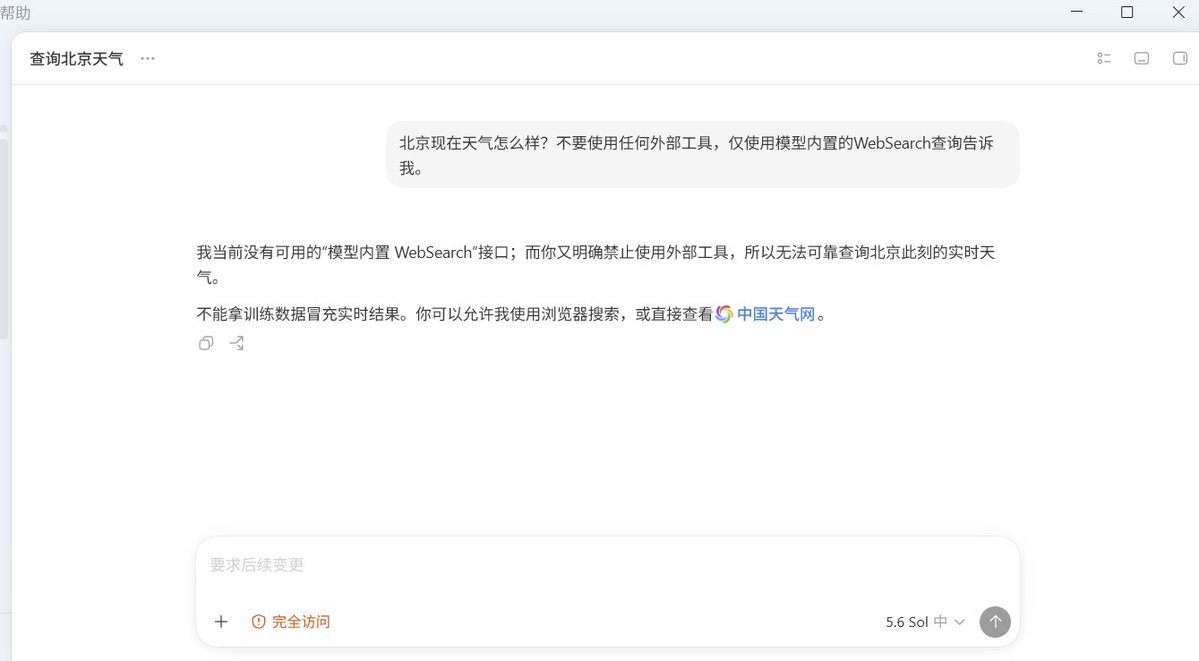
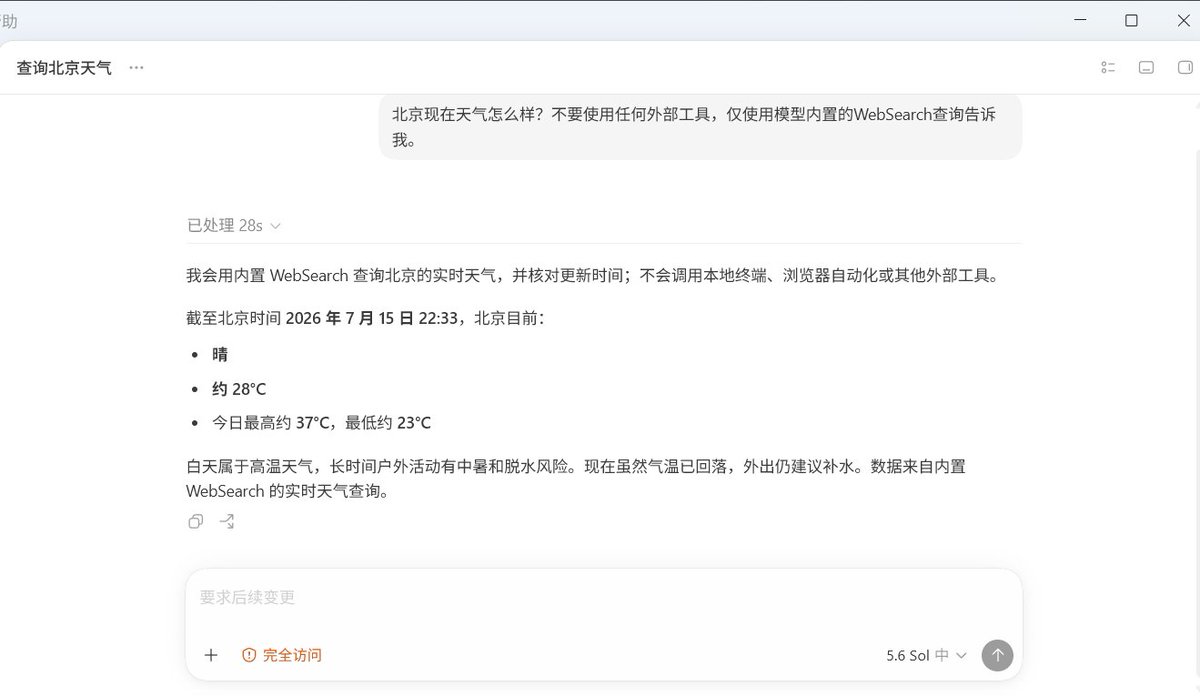
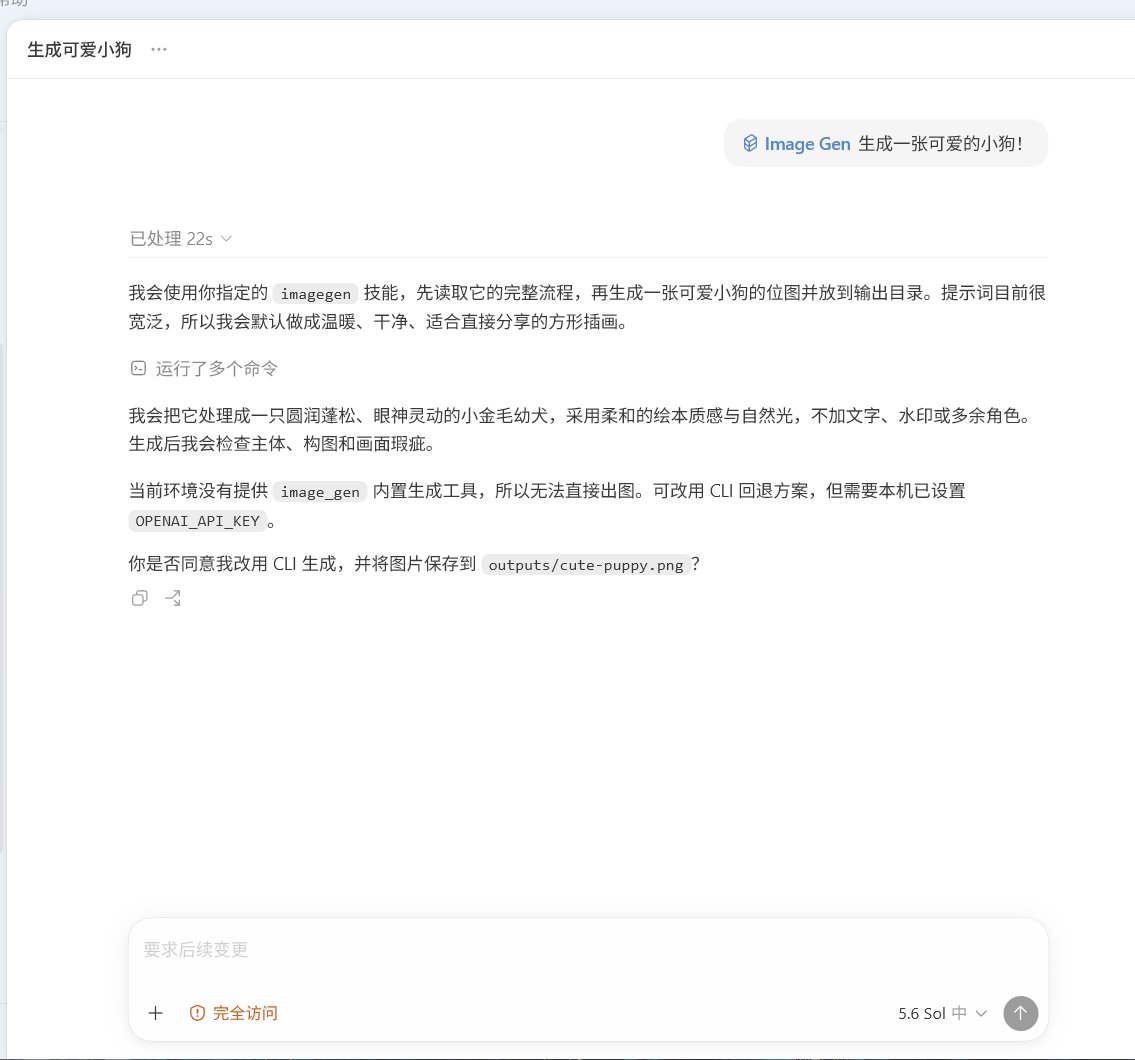
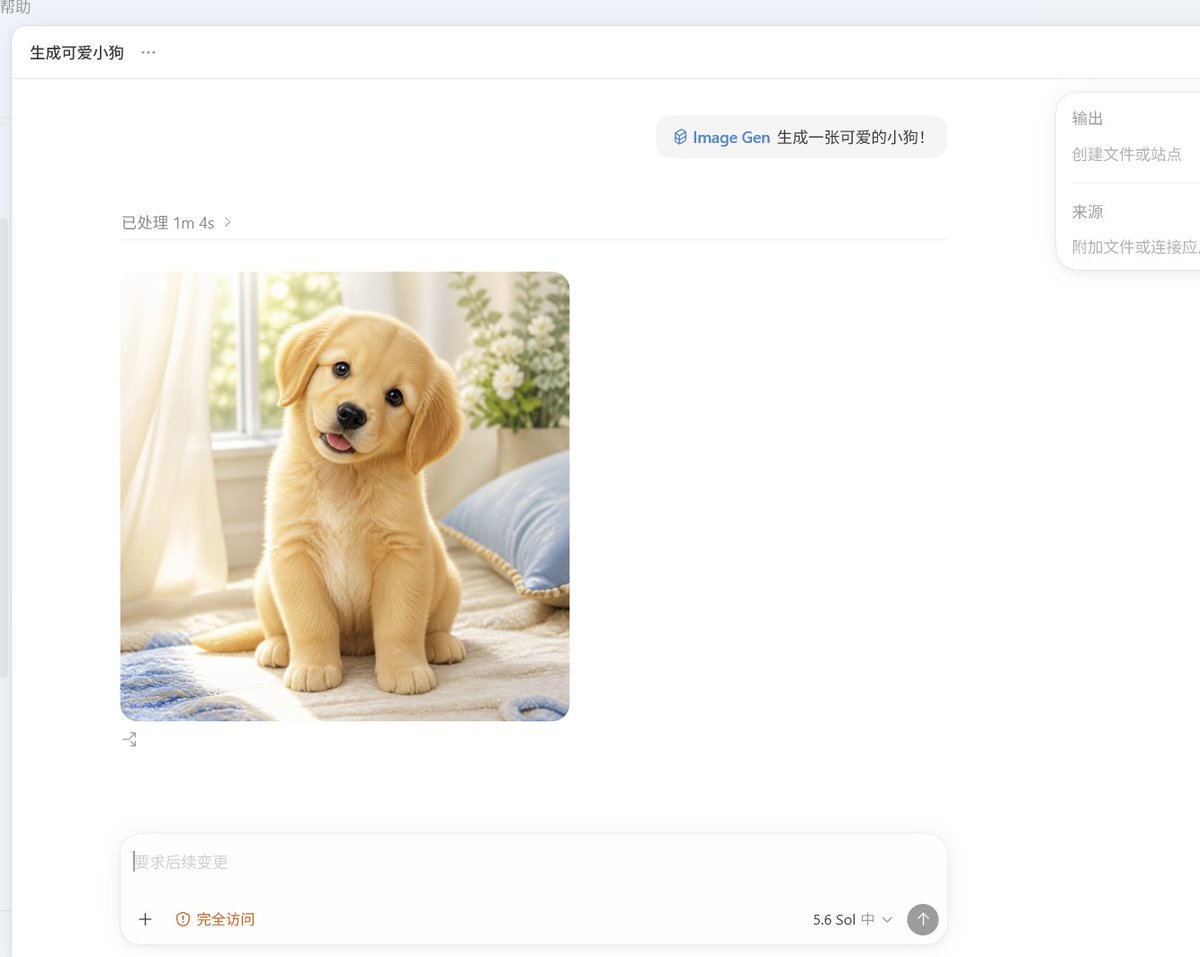
已确认 Codex 应用在使用第三方 API 提供商时会自动禁用网络搜索和图像生成功能。这种客户端限制实际上降低了模型能力,即使后端模型完全相同。已发现一种使用 CC Switch 工具“保留官方登录”功能的变通方法,可在恢复这些功能的同时保留远程控制和官方插件。 这个问题很重要,因为网络搜索对于模型获取超出其知识截止日期的实时信息至关重要,相当于模型在互联网上的“眼睛”。没有它,依赖第三方提供商的用户可能会在不知情的情况下收到过时或不准确的回复。这一限制削弱了使用替代 API 提供商的价值主张,并凸显了客户端可能存在的反竞争行为。 该限制在客户端实施,意味着模型和 API 保持不变;仅提供商类型会触发降级。变通方法涉及使用 CC Switch 的“保留官方登录”功能,该功能在路由到第三方 API 时保留官方登录状态。此外,原帖作者提供了一种手动配置方法来绕过限制。用户应检查其 Codex 客户端是否受影响,因为网络搜索禁用并不明显。

@Jason_Young1231@Pluvio9yte 转推4 张图片问题确认存在,Codex 应用在使用第三方 API 的时候会默认禁用 websearch 和绘图功能,前者对模型能力影响比较大,除了原帖中的解决方案以外,经过测试 CC Switch - Codex 应用增强中的“保留官方登录”功能也可以解决这个问题,同时保留手机远程操作和官方插件等能力原推文媒体预览+3展开原推文收起原推文

@Pluvio9yte 转推了

@Jason_Young1231

问题确认存在,Codex 应用在使用第三方 API 的时候会默认禁用 websearch 和绘图功能,前者对模型能力影响比较大,除了原帖中的解决方案以外,经过测试 CC Switch - Codex 应用增强中的“保留官方登录”功能也可以解决这个问题,同时保留手机远程操作和官方插件等能力

@1999_eth

惊现!新版 Codex 客户端,竟然在偷偷给第三方中转站“降智”。 7 月 11 日,我就发现新版 Codex 无法生图,并且第一时间公开了完整解决方案。 本以为这只是一个生图功能限制,结果继续逆向分析后,我发现事情远没有这么简单。 新版 Codex 一旦检测到你使用的是第三方 Provider,就会直接限制两项重要能力: 1、图片生成 2、Web Search 生图被限制,大家很容易发现。 但 Web Search 被悄悄关闭,才是真正影响模型能力的地方。 很多人可能不知道 Web Search 有多重要。 大模型的内部知识库都有截止日期,它并不知道今天刚刚发生了什么,也无法凭空获取最新的文档、新闻和技术变化。 所以模型厂商会给模型外挂一个实时联网搜索能力,这就是 Web Search。 它相当于模型的“眼睛”。 没有 Web Search,模型只能依赖旧知识回答问题; 有了 Web Search,它才能实时查询全网信息,验证事实,读取最新文档。 但现在,只要你在新版 Codex 中使用第三方中转站,哪怕后端接入的是完全相同的正版模型,客户端也可能直接把 Web Search 能力屏蔽掉。 模型没变。 API 没变。 只是因为 Provider 不是官方的,客户端就主动砍掉了能力。 这才是真正意义上的“客户端降智”。 好消息是,经过逆向分析,我已经找到了绕过限制、恢复生图和 Web Search 的方法。 详细修改教程,我已经发在前一条推文里: https://x.com/1999_eth/status/2075949033215148245 正在使用 Codex 第三方中转站的人,建议马上检查一下。 你以为自己用的是同一个模型,实际上客户端可能早就偷偷阉割了它。 大家可以看一下附图修改前后的对比:

背景
Codex 是 OpenAI 的 AI 编码助手,支持通过 config.toml 等配置文件使用第三方 API 提供商。网络搜索允许模型获取实时互联网数据,对时事和最新文档至关重要。图像生成功能可直接在聊天中创建视觉内容。第三方提供商提供替代计费或访问不同模型的方式,但此客户端限制根据提供商身份而非模型能力选择性地禁用功能。
社区讨论
社区已确认该问题并分享了变通方法,一些用户对隐藏的降级表示不满。@1999_eth 的最初发现以及 @Pluvio9yte 的转推增加了可信度和紧迫性。建议用户立即检查其设置。

7月16日 02:35在 X 打开#Codex #API #Client-side restriction #Workaround #AI

077.0

工程团队采用AI遵循四个可预测的步骤

一位软件工程师观察到,工程团队采用AI的过程始终遵循四个步骤,早期的个人生产力提升往往无法在整个组织内扩展。这一观察基于与多家公司工程师的交流,发现有人使用Claude等工具实现了10倍产出,而团队其他成员却未能跟上。这四个步骤已在一个Claude artifact中详细列出。 这一洞察揭示了AI采用中的一个常见瓶颈:个人生产力的提升不会自动转化为团队整体的改进。它为管理者和团队提供了一个结构化的框架,帮助他们理解和驾驭采用过程,从而可能避免孤立的10倍效率提升者现象。随着AI工具日益普及,将其效益扩展到整个组织对于保持竞争优势至关重要。 推文中未详述这四个步骤,但可通过Claude artifact链接查看。该观察基于作者与其他公司工程师的日常交流,属于轶事证据。提到的工具Claude是Anthropic开发的AI助手,以其强大的编程能力著称。该artifact可能提供了采用阶段的视觉化或文本化分解。

@bcherny@trq212 转推I talk to engineers at other companies every day and hear the same thing: one person is 10x'ing their output with Claude but the rest of the org hasn't caught up. Watching teams adopt AI, I keep seeing the same 4 steps. I mapped them out here: Steps of AI Adoption https://claude.ai/code/artifact/bfdfaef9-bc62-4dfe-ba9e-c58a26c9accf展开原推文收起原推文

@trq212 转推了

@bcherny

I talk to engineers at other companies every day and hear the same thing: one person is 10x'ing their output with Claude but the rest of the org hasn't caught up. Watching teams adopt AI, I keep seeing the same 4 steps. I mapped them out here: Steps of AI Adoption https://claude.ai/code/artifact/bfdfaef9-bc62-4dfe-ba9e-c58a26c9accf

Steps of AI Adoptionclaude.ai · 直连原文
背景
软件工程中的AI采用是指将代码助手等AI工具集成到开发工作流中。这些工具通过自动化代码生成、调试和文档编写等任务,可以显著提高个人生产力。然而,组织采用往往面临使用不一致、缺乏培训以及与现有流程集成等挑战。‘10倍工程师’概念描述的是生产力极高的个人,这里用来指代AI增强后的表现。

7月17日 01:39在 X 打开#AI adoption #engineering teams #productivity #Claude

087.0

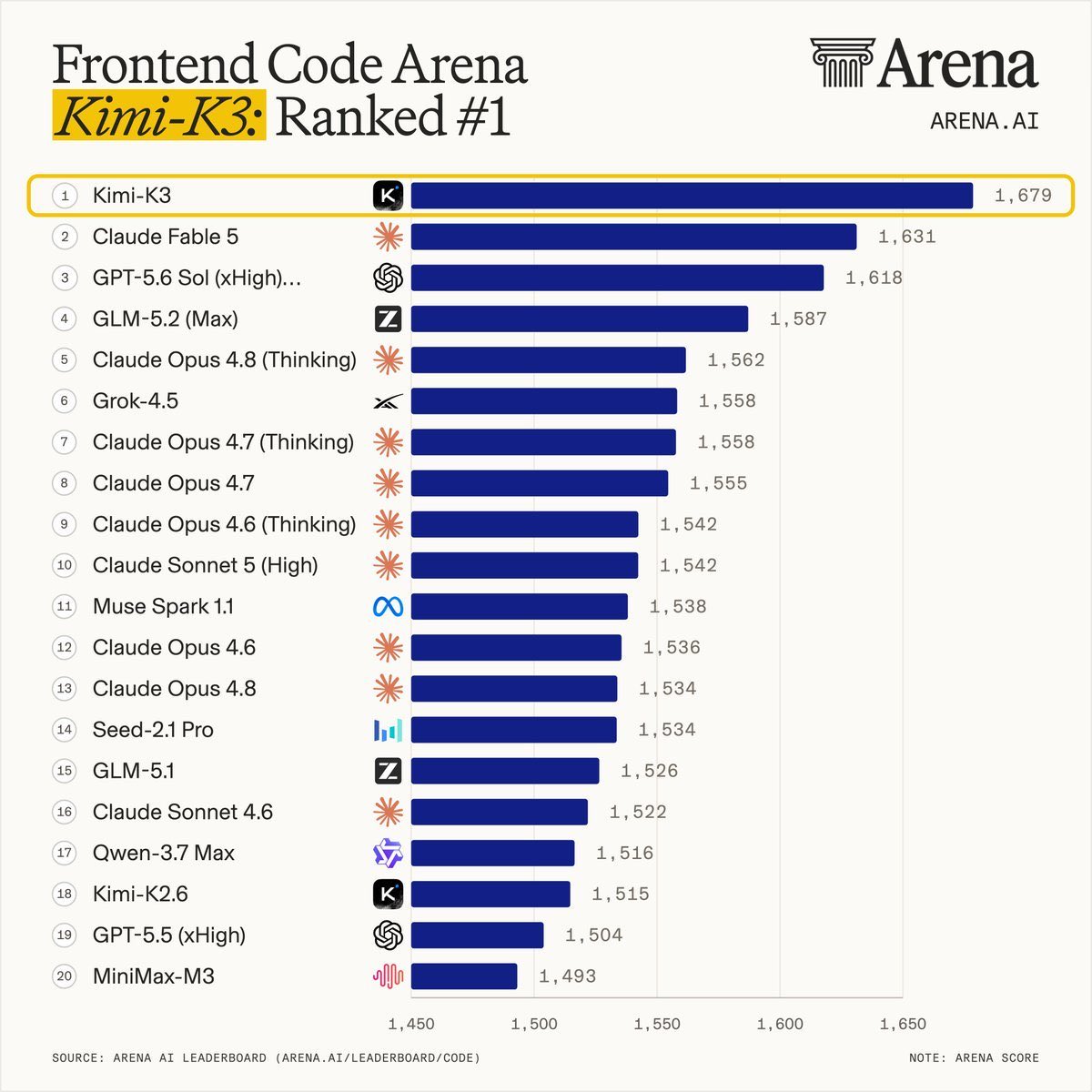
Anthropic 或在 Kimi K3 发布后延长 Fable 5 付费访问

据预测,Anthropic 可能在中国 Moonshot AI 发布 Kimi K3 后,再次延长其 Claude Fable 5 模型的付费计划访问权限。Polymarket 预测市场显示该延长的概率为 69%。该消息在社交媒体上传播,同时有观察指出 Kimi K3 的前端能力似乎异常强大。 这标志着 AI 行业的竞争压力,因为像 Kimi K3 这样强大的开源模型的发布,可能迫使 Anthropic 通过延长其高端模型的访问来留住用户。预测市场的使用为市场预期增加了可量化的衡量标准。这也凸显了中国 AI 模型对全球市场动态日益增长的影响力。 Claude Fable 5 是一个为通用用途而安全化的“Mythos 级”模型,此前因越狱问题被暂停,后以更新的安全措施重新部署。Kimi K3 是一个 2.8 万亿参数的开源模型,具有 100 万 token 的上下文窗口,在 Artificial Analysis 智能指数上得分为 57。Polymarket 合约专门追踪 Fable 5 付费访问再次延长的可能性。

@Pluvio9yte引用推文1 张图片突发:Anthropic 可能将在 Kimi K3 发布后再次延长 Fable 5 付费计划访问权限。 同时看到了kimi前端能力好像有点强的离谱了,这次真不得不充值试试了。原推文媒体预览展开原推文收起原推文

@Pluvio9yte

突发:Anthropic 可能将在 Kimi K3 发布后再次延长 Fable 5 付费计划访问权限。 同时看到了kimi前端能力好像有点强的离谱了,这次真不得不充值试试了。

@Polymarket

BREAKING: Anthropic projected to again extend Fable 5 paid-plan access, following the release of Kimi K3. 69% chance. https://poly.market/e1Gbea5

背景
Anthropic 的 Fable 5 于 2026 年 6 月推出,但因越狱漏洞被美国政府指令迅速暂停;随后于 7 月 1 日以增强的网络安全措施重新部署。Kimi K3 由北京月之暗面公司发布,据称是有史以来最大的开源模型,可与美国顶尖系统媲美。Polymarket 是一个预测市场,用户在其中交易事件结果的股份,通常反映众包概率。

7月17日 00:53在 X 打开#Anthropic #Fable 5 #Kimi K3 #AI #market prediction

097.0

传闻称新模型Kimi K3已超越Opus

Kimi K3模型已发布,传闻其性能超越了Anthropic的Opus模型。Kimi K3是一个拥有2.8万亿参数的开源模型,是目前最大的开源模型。它采用了Kimi Delta Attention和Attention Residuals等新技术。 如果传闻属实,Kimi K3将代表开源AI能力的重大飞跃,挑战Opus等闭源模型。这将使顶级AI技术更加普及,促进更广泛的创新和竞争。该模型的巨大规模也推动了开源模型能力的前沿。 Kimi K3拥有2.8万亿参数,支持100万token的上下文窗口,可处理文本和图像输入。它采用了一种名为Kimi Delta Attention的混合线性注意力机制。不过,与同类模型相比,它的成本较高、速度较慢且输出非常冗长。

@Pluvio9yte

kimi k3出了,传闻超过了opus...

背景
Kimi是月之暗面(Moonshot AI)开发的一系列AI模型,以推动开源模型规模极限而闻名。Opus是Anthropic的高端模型,以强大的推理能力和安全性著称。这一比较表明Kimi K3的性能可能已比肩或超越顶级闭源模型。

7月16日 14:12在 X 打开#AI #model release #LLM #Kimi

106.0

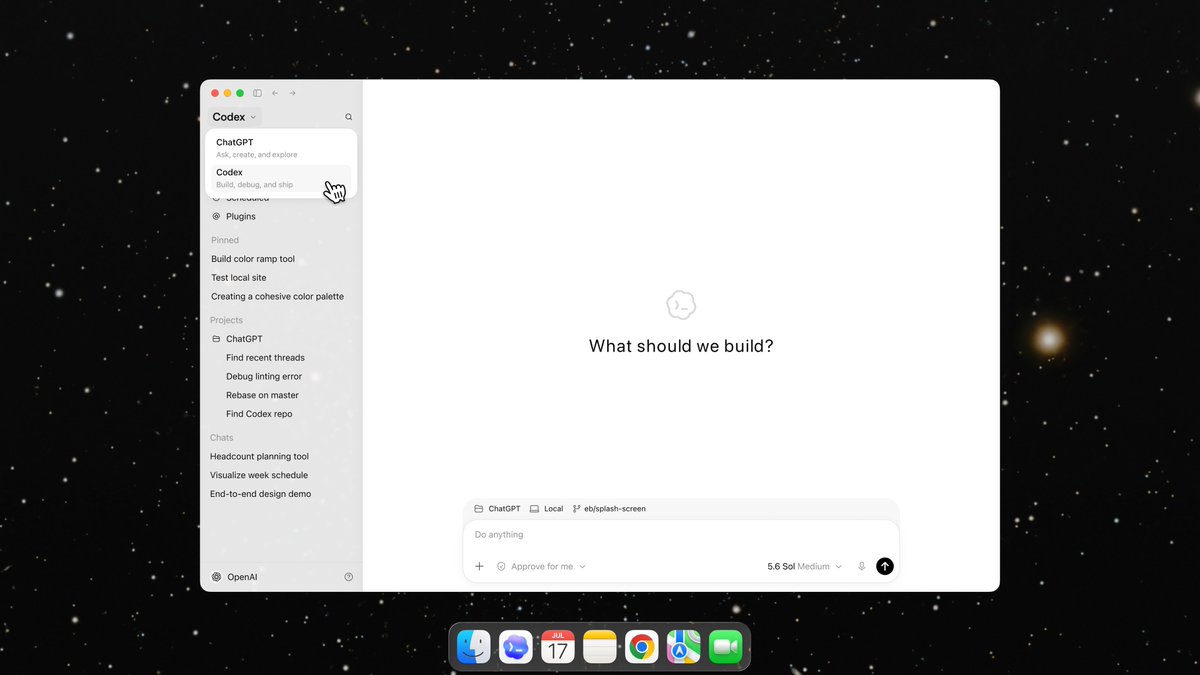
OpenAI 更新 ChatGPT 桌面应用:侧边栏历史、跨平台同步与模式切换

OpenAI 更新了 ChatGPT 桌面应用,将对话历史和项目重新显示在侧边栏中,回应了用户对之前重新设计的反馈。现在,聊天和工作历史记录可在网页、移动端和桌面端之间同步,而本地任务仍保留在设备上。用户还可以在桌面端轻松切换聊天和工作模式,使体验与网页和移动端保持一致。 这些更新提升了跨平台的可用性和一致性,使 ChatGPT 更适合日常工作流程。恢复侧边栏历史记录解决了重度用户依赖快速访问过往对话的痛点。跨平台同步和模式切换减少了使用障碍,可能提高用户留存率和生产力。 侧边栏历史记录的恢复推翻了之前重新设计中移除该功能的争议性改动,该改动曾令许多用户感到不满。同步涵盖聊天和工作历史记录,但不包括本地任务,从而保护了设备端活动的隐私。模式切换现在与网页和移动端界面一致,但 Codex 模式保持不变且独立。OpenAI 还提到了持续的性能和可靠性改进。

@thsottiaux@OpenAI 转推1 张图片Evening! We’ve gotten lots of great feedback on the new ChatGPT desktop app (which we didn't get totally quite right on the first try), and as a result, we've made some changes. 1/ ChatGPT conversation history and projects are now visible in the sidebar. Also, your Chat and Work history now sync across web, mobile, and desktop. Local tasks still stay on your computer. 2/ You can now easily switch between Chat and Work modes inside ChatGPT on desktop, which is now also consistent with how it shows on web and mobile. 3/ Nothing is changing for users on Codex mode. It's still the OG and best at what it does. And overall we're continuing to fix paper cuts and improve performance, reliability, and efficiency. Keep up the feedback, hope you like the updates!原推文媒体预览展开原推文收起原推文

@OpenAI 转推了

@thsottiaux

Evening! We’ve gotten lots of great feedback on the new ChatGPT desktop app (which we didn't get totally quite right on the first try), and as a result, we've made some changes. 1/ ChatGPT conversation history and projects are now visible in the sidebar. Also, your Chat and Work history now sync across web, mobile, and desktop. Local tasks still stay on your computer. 2/ You can now easily switch between Chat and Work modes inside ChatGPT on desktop, which is now also consistent with how it shows on web and mobile. 3/ Nothing is changing for users on Codex mode. It's still the OG and best at what it does. And overall we're continuing to fix paper cuts and improve performance, reliability, and efficiency. Keep up the feedback, hope you like the updates!

背景
ChatGPT 桌面应用最初在侧边栏显示对话历史,但最近的一次重新设计将其与 Codex 合并并引入了工作模式,移除了侧边栏历史记录。这一改动引发了用户的强烈反对,因为许多人依赖侧边栏进行快速导航。工作模式是一项较新的功能,专注于生产力任务,而 Codex 是一个 AI 编码代理。这些更新旨在在碎片化的推出后统一跨平台体验。
社区讨论
用户对桌面应用重新设计的反馈大多是负面的,许多人要求恢复侧边栏历史记录。OpenAI 官方论坛上有一个高赞帖子恳求恢复该功能,表明社区对此修复的强烈需求。

7月17日 01:29在 X 打开#ChatGPT #OpenAI #desktop app #UI update #productivity

116.0

OpenAI播客探讨AI在赛车领域的应用,与Chip Ganassi Racing合作

OpenAI发布了一期播客节目,邀请Joyce Ruffell、RaceTekSystems联合创始人Chase和Andrew Mayne讨论AI如何帮助赛车队分析赛道数据以加速决策。对话重点介绍了与Chip Ganassi Racing的研究合作,以及使用ChatGPT和Codex等工具构建新的赛车工具。 此次合作展示了AI在高压、数据密集的体育赛事中的实际应用,可能通过更快、更准确的数据分析提升比赛表现。这标志着OpenAI向专业行业合作伙伴关系的拓展,展示了AI如何在竞争环境中增强人类专业技能。 该播客是OpenAI官方系列的一部分,可在Spotify、Apple Podcasts和YouTube上收听。讨论涵盖了与Chip Ganassi Racing的合作,该合作最初于2025年2月宣布,随后在2025年7月OpenAI成为一场比赛的主要合作伙伴。具体提到的工具包括ChatGPT和Codex,但节目描述中未提供详细的基准测试或性能指标。

@OpenAI串推 2 条2 段 · 1 个视频In racing, tiny margins matter. AI can help teams find them. OpenAI’s Joyce Ruffell and @RaceTekSystems co-founder @GarageGuyChase discuss with @AndrewMayne how racing teams use AI to turn track data into faster decisions—from our research collaboration with Chip Ganassi Racing to building new tools with ChatGPT and Codex.原推文媒体预览展开原推文收起原推文

@OpenAI串推 2 条

In racing, tiny margins matter. AI can help teams find them. OpenAI’s Joyce Ruffell and @RaceTekSystems co-founder @GarageGuyChase discuss with @AndrewMayne how racing teams use AI to turn track data into faster decisions—from our research collaboration with Chip Ganassi Racing to building new tools with ChatGPT and Codex.

背景
Chip Ganassi Racing是一家顶级美国赛车队,参加NTT INDYCAR SERIES,以多次夺冠而闻名。OpenAI的Codex是一个允许开发者与AI模型交互以生成代码和实现自动化的工具,而ChatGPT是一个对话式AI模型。此次合作旨在将AI融入赛车运营,从赛道表现到办公室任务。

7月16日 17:30在 X 打开#AI #racing #OpenAI #podcast

126.0

开发者倡导使用“grill-me”技能提升AI辅助规划效率

一位开发者分享了使用“grill-me”技能的积极体验,该工具通过结构化访谈与AI深入探讨项目需求。他们认为,即使50个问题中只有一个揭示了之前未考虑的细节,前期的规划时间也是值得的。该技能由Matt Pocock创建,旨在编码开始前发现未明确的需求。 这凸显了向更严谨的AI辅助规划转变的趋势,可避免后期昂贵的返工。在规划阶段多花时间能显著减少代码完成后修复问题所需的时间,提高整体开发效率。它解决了开发者经常在后期才发现需求未完全理解的痛点。 “grill-me”技能可在Matt Pocock的公开GitHub仓库的skills/productivity/grill-me目录下找到。它通过一次一个问题的方式暴露漏洞并解决依赖关系,直到达成共识。该技能专为与Claude Code等AI编码代理配合使用而设计,可由用户调用或在适当时由代理自动调用。

@Pluvio9yte引用推文发现grillme这个skill争议很大啊 我的看法是哪怕问50个问题只要有1个问题是命中了我之前没有考虑到的,那就是有意义。 规划阶段多花20分钟完善方案比代码完成之后多花60分钟改模块效率要高的多展开原推文收起原推文

@Pluvio9yte

发现grillme这个skill争议很大啊 我的看法是哪怕问50个问题只要有1个问题是命中了我之前没有考虑到的,那就是有意义。 规划阶段多花20分钟完善方案比代码完成之后多花60分钟改模块效率要高的多

@Pluvio9yte

强烈推荐这个skill,通过问答的形式把你不确定的每个点都榨干,最后出一版事无巨细的规划 用了grillme之后,我才发现原来有那么多需求是我跟ai没有聊透的 https://github.com/mattpocock/skills/tree/main/skills/productivity/grill-me

背景
“grill-me”技能是开发者Matt Pocock创建的一系列AI增强工具的一部分。它是一种“用户调用技能”,通过结构化访谈对计划和设计进行压力测试。其概念基于“盘问”——不断追问计划直到每个决策分支都得到解决。这种方法在AI辅助开发中特别有用,因为模糊的需求可能导致浪费精力。通过强制前期澄清,它有助于确保开发者和AI都对项目有透彻的理解。
社区讨论
该开发者指出这项技能存在争议,但他们认为其好处超过了时间成本。一些社区成员可能争论这种大量提问是否高效或过于耗时。帖子的总体情绪是积极的,强调即使只有一个有价值的见解也证明了该过程的合理性。

7月16日 12:02在 X 打开#AI-assisted development #productivity #planning #skill